
In a world that is changing faster than ever, learning cannot stop after school or college. New technologies, new careers, and new ways of thinking are constantly emerging. Those who continue to learn throughout their lives are better prepared to adapt, grow, and succeed. Lifelong learning is not about formal education alone; it is a mindset and a daily habit that keeps the mind active, curious, and relevant.
Developing a habit of lifelong learning may seem challenging at first, but with the right approach, anyone can make learning a natural part of everyday life.
Understand What Lifelong Learning Really Means
Lifelong learning is the continuous pursuit of knowledge, skills, and personal development beyond traditional education. It does not require classrooms, exams, or degrees. Learning can happen through reading, observing, practicing, reflecting, and experiencing new things.
It includes learning for career growth, personal interest, problem-solving, or self-improvement. When learning becomes a habit rather than a task, it no longer feels like a burden.
Build a Learning Mindset
The foundation of lifelong learning is mindset. Many people believe learning is only for students or young people, but this belief limits growth. The truth is that the human brain can learn at any age.
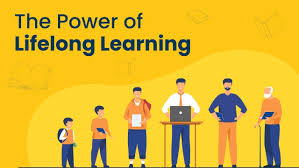 Develop curiosity by asking questions and seeking understanding instead of accepting things at face value. Replace the fear of failure with the belief that mistakes are part of learning. A growth mindset encourages improvement through effort and persistence.
When you see learning as an opportunity rather than an obligation, it becomes easier to continue.
Start With Small, Consistent Learning Goals
One of the biggest reasons people fail to build learning habits is trying to do too much at once. Lifelong learning does not require hours of study every day. Even 15 to 30 minutes of focused learning can create long-term impact.
Set small, realistic goals such as reading a few pages daily, watching one educational video, or learning a new concept each week. Consistency matters more than intensity. Over time, these small efforts compound into significant knowledge.
Make Learning Part of Your Daily Routine
Habits form when actions are repeated regularly in a familiar environment. Attach learning to an existing routine. For example, read during morning tea, listen to educational podcasts while commuting, or watch informative content before sleeping.
When learning becomes part of daily life, it stops feeling like extra work. Digital tools, mobile apps, and online platforms make it easier than ever to access knowledge anytime, anywhere.
Learn Actively, Not Passively
Passive learning—such as scrolling through information without engagement—rarely leads to real understanding. Active learning requires participation, reflection, and application.
Take notes, summarize what you learn, ask questions, and try to apply new knowledge in real situations. Teaching others or explaining concepts in your own words strengthens understanding and memory.
The more actively you engage with learning material, the more effective lifelong learning becomes.
Focus on Skills, Not Just Information
Information is easily available, but skills require practice. Lifelong learners focus on developing skills such as communication, critical thinking, problem-solving, digital literacy, and emotional intelligence.
Choose learning topics that improve your ability to think, work, and adapt. Skill-based learning increases confidence and practical usefulness in both personal and professional life.
Learning how to learn is itself one of the most valuable lifelong skills.
Read Regularly and Widely
Reading is one of the most powerful learning habits. It exposes the mind to new ideas, perspectives, and knowledge. Lifelong learners read not only within their field but also across different subjects.
Books, articles, blogs, and research papers all contribute to intellectual growth. Even short daily reading sessions can improve vocabulary, comprehension, and thinking ability.
The habit of reading keeps curiosity alive and the mind sharp.
Learn From Experience and Reflection
Learning does not always come from books or courses. Real-life experiences, challenges, and failures are powerful teachers. Reflecting on daily experiences helps turn actions into lessons.
Ask yourself what worked, what did not, and why. Self-reflection improves decision-making and personal growth. Lifelong learners constantly evaluate their actions and adjust accordingly.
Surround Yourself With Learners
The people around you influence your habits. Spending time with curious, growth-oriented individuals encourages learning. Discussions, debates, and shared knowledge create a learning-rich environment.
Online communities, professional networks, and discussion forums also offer opportunities to learn from others. Learning becomes more enjoyable when it is shared.
Stay Open to Change and New Ideas
One of the biggest barriers to lifelong learning is the belief that “I already know enough.” This attitude stops growth. Lifelong learners remain open to new ideas, even when they challenge existing beliefs.
Accept that learning is an ongoing process and that knowledge evolves. Flexibility and openness allow continuous improvement in a changing world.
Track Progress and Celebrate Growth
Tracking learning progress increases motivation. Keep a learning journal, set milestones, or reflect monthly on what you have learned. Recognizing progress reinforces the habit.
Celebrate small achievements such as completing a book, learning a new skill, or understanding a difficult concept. Positive reinforcement strengthens commitment to lifelong learning.
Conclusion
Developing a habit of lifelong learning is not about intelligence or formal education—it is about curiosity, consistency, and mindset. In a world of constant change, the ability to learn continuously is one of the greatest advantages a person can have.
By setting small goals, staying curious, practicing active learning, and embracing growth, anyone can make learning a lifelong habit. When learning becomes part of everyday life, personal and professional growth follow naturally.