
The year is 2026. You turn on the news, and the headlines are filled with stories of unprecedented weather events. Record-breaking heatwaves scorch the globe, wildfires rage across continents, and devastating floods displace millions. These are not isolated incidents; they are the increasingly visible consequences of climate change, a phenomenon that is reshaping our world in profound and often alarming ways.
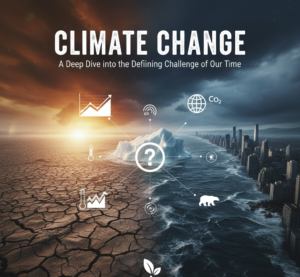 But what exactly is climate change? How is it impacting us? And what can we do about it? Let’s delve into this critical issue with the depth it deserves.
Understanding Climate Change: The Basics
Climate change refers to long-term shifts in temperatures and weather patterns. These shifts can be natural, like variations in the sun’s intensity or volcanic eruptions. However, the current climate crisis is primarily driven by human activities, especially the burning of fossil fuels (coal, oil, and gas).
When we burn fossil fuels, we release greenhouse gases—primarily carbon dioxide (CO2), methane, and nitrous oxide—into the atmosphere. These gases act like a blanket, trapping heat and warming the planet. This is known as the greenhouse effect, a process that has been understood since the early 19th century. While the greenhouse effect is a natural phenomenon essential for life on Earth, human activities have dramatically increased the concentration of these gases, leading to an accelerated warming trend.
What many people don’t realize is that the scientific understanding of climate change has a long history. Scientists have been studying the Earth’s climate and the impact of greenhouse gases for centuries. Early observations of the greenhouse effect date back to the 1800s, with researchers like Joseph Fourier and Eunice Newton Foote laying the groundwork for our current understanding. By the late 19th century, scientists began to connect human emissions to potential climate changes.
The Tangible Impacts: What Climate Change Is Doing to Our World
The effects of climate change are widespread and multifaceted. They’re not just about warmer temperatures; they touch nearly every aspect of our lives.
- Rising Temperatures: The average global temperature has increased significantly since the late 19th century, and the last decade (2015-2024) was the warmest on record. This warming trend is causing more frequent and intense heat waves.
- Changes in Precipitation: Weather patterns are becoming increasingly erratic. Some regions are experiencing more intense rainfall and flooding, while others are facing prolonged droughts.
- Melting Ice and Rising Sea Levels: Glaciers and ice sheets are shrinking at an alarming rate. This contributes to rising sea levels, threatening coastal communities and ecosystems.
- Extreme Weather Events: Climate change is fueling more powerful storms, hurricanes, and typhoons. The intensity and frequency of these events are increasing, leading to more destruction and loss of life.
- Impacts on Human Health: Climate change is a major threat to human health, increasing the risk of heatstroke, spreading diseases, and worsening air quality.
- Disruptions to Agriculture and Food Security: Changes in temperature and precipitation patterns are harming crop yields and disrupting food supplies. Droughts and extreme weather events are devastating to farmers.
- Loss of Biodiversity: As the climate changes, many plant and animal species are struggling to adapt, and some are facing extinction.
This fact is often overlooked: The consequences of climate change are not just distant threats; they are happening now.
India and Climate Change: A Nation at the Forefront
India is highly vulnerable to the impacts of climate change. The country is already experiencing the effects of rising temperatures, erratic rainfall, and extreme weather events. These impacts have far-reaching consequences for India’s economy, society, and environment.
Here’s where confusion usually begins: India’s diverse geography and dependence on climate-sensitive sectors like agriculture make it particularly susceptible to climate-related risks. The changing climate disproportionately affects the lower caste and indigenous populations.
- Rising Temperatures: Temperatures in India have increased by 0.7°C between 1901 and 2018. Heatwaves are becoming more frequent and intense, leading to health crises and economic losses.
- Water Scarcity: Changing rainfall patterns and the melting of Himalayan glaciers threaten water supplies. Droughts are becoming more common, affecting agriculture and livelihoods.
- Extreme Weather Events: India is experiencing an increase in the frequency and intensity of floods, cyclones, and other extreme weather events. These events cause widespread damage, displacement, and loss of life.
- Impacts on Agriculture: Climate change is affecting crop yields, threatening food security and the livelihoods of millions of farmers.
- Climate Displacement: Sea level rise and extreme weather events are causing displacement, particularly in coastal areas and low-lying regions. India is expected to see a significant increase in climate-related displacement in the coming years.
India is taking action to address climate change. The country has set ambitious targets for renewable energy and is working to reduce its carbon emissions. The Indian government is also implementing adaptation measures to build resilience to climate impacts.
Solutions and the Path Forward
Addressing climate change requires a multi-faceted approach involving individual actions, government policies, and international cooperation.
What many people don’t realize is that we already have many of the solutions needed to combat climate change.
- Reducing Greenhouse Gas Emissions: The most critical step is to reduce emissions from burning fossil fuels. This can be achieved by transitioning to renewable energy sources (solar, wind, etc.), improving energy efficiency, and adopting sustainable transport options (electric vehicles, public transit).
- Investing in Renewable Energy: Shifting to renewable energy is the best way to reduce reliance on fossil fuels. Investing in solar, wind, and other renewable technologies is essential.
- Sustainable Practices: Promoting sustainable agriculture, reducing deforestation, and restoring natural ecosystems can help remove carbon dioxide from the atmosphere.
- Policy and Advocacy: Governments need to implement policies that support climate action, such as carbon pricing, regulations on emissions, and incentives for renewable energy. International cooperation is also crucial, as exemplified by the Paris Agreement.
- Adaptation and Resilience: Even with the best efforts to reduce emissions, some climate impacts are inevitable. We need to adapt to these changes by building more resilient infrastructure, developing drought-resistant crops, and improving early warning systems.
- Individual Action: Individuals can also make a difference by reducing their carbon footprint, such as consuming less meat and dairy, using energy-efficient appliances, and supporting sustainable businesses.
Here’s where confusion usually begins: many people think addressing climate change is too difficult or expensive. However, the cost of inaction is far greater.
The time to act is now. By embracing these solutions, we can create a sustainable future, protect the planet, and ensure a healthier environment for all.
Learn more about how you can contribute to this effort at Why Self-Learning Is Important in the Digital Age to continue your education and stay informed on how to help.
Frequently Asked Questions (FAQ)
Here are some frequently asked questions about climate change:
- What causes climate change? Climate change is primarily caused by human activities that release greenhouse gases into the atmosphere, mainly through the burning of fossil fuels.
- What are the main impacts of climate change? The main impacts include rising temperatures, changes in precipitation patterns, melting ice, rising sea levels, and extreme weather events.
- How is India affected by climate change? India faces numerous impacts, including rising temperatures, water scarcity, extreme weather events, impacts on agriculture, and climate displacement.
- What are the solutions to climate change? Solutions include reducing greenhouse gas emissions, investing in renewable energy, promoting sustainable practices, and implementing government policies.
- Is it too late to do anything about climate change? No, it is not too late. While some impacts are inevitable, reducing emissions and adapting to changes can still prevent the worst consequences.
- What can I do to help? Individuals can reduce their carbon footprint by making sustainable choices, supporting climate-friendly policies, and raising awareness about the issue.
- What is the Paris Agreement? The Paris Agreement is an international treaty aimed at limiting global warming to well below 2 degrees Celsius above pre-industrial levels.
- How does climate change affect human health? Climate change increases the risk of heatstroke, spreads diseases, worsens air quality, and can lead to food shortages, all of which negatively impact human health.
Climate change is the defining challenge of our time. By understanding the science, recognizing the impacts, and embracing solutions, we can work together to create a sustainable future for all. This will require global cooperation, bold action, and a commitment to protecting our planet for future generations.
To continue your journey of learning about this topic, visit Leadinglearn for more resources.